Gateway 2 the Building Safety Act: Purpose, Requirements, and How to Apply
Article



Gateway 2 sets the approval point for detailed design before construction starts under the Building Safety Act (BSA). Its purpose is to confirm that building plans, safety strategies, and competent duty holders are in place, with evidence of compliance, so higher-risk projects proceed only when risks are controlled.
This guidance explains Gateway 2 within the Building Safety Act (BSA) in the United Kingdom.
Gateway 2 is a crucial phase in the Building Safety Act (BSA) in the UK. It ensures that detailed design and construction safety measures are in place before building work begins. This stage requires comprehensive documentation and evidence of compliance with safety standards.
The Building Safety Act aims to enhance safety in the construction industry. It was introduced following the Grenfell Tower fire. Gateway 2 is one of three key stages in this framework.
Compliance with Gateway 2 is mandatory for high-rise residential buildings. It integrates safety into the design and construction phases. This ensures that buildings meet stringent safety standards.
DuPont provides essential resources for Gateway 2 submissions. They offer evidence packs, certifications, and technical support. These resources help stakeholders meet compliance requirements effectively.
What is Gateway 2 in the Building Safety Act?
Gateway 2 is a pivotal stage within the Building Safety Act (BSA) in the United Kingdom. It focuses on the detailed design phase of construction projects. This stage is critical as it requires thorough documentation of safety measures.
At this point, construction cannot proceed until safety designs and plans are approved. This ensures that all aspects of safety have been considered and documented before the physical build begins. Approval helps prevent later complications or hazards.
Gateway 2 mandates that building plans comply with comprehensive safety standards. These standards are designed to protect occupants and enhance building resilience. By embedding safety into the design, the BSA aims to prevent future safety incidents and improve overall building safety.
The role of Gateway 2 in UK building safety
Gateway 2 plays a crucial role in the UK's approach to building safety. It ensures a detailed inspection of design plans before construction begins. This early evaluation helps to identify potential safety issues.
This stage is particularly important for high-rise residential buildings. The process integrates safety into the design phase, which is vital for protecting residents. The aim is to minimize risks associated with construction and occupancy.
Key functions of Gateway 2 include:
- Assessing detailed safety documentation
- Verifying compliance with safety regulations
- Approving or requesting amendments to design plans
By addressing safety early, Gateway 2 reduces the likelihood of later construction delays. Design flaws can be rectified prior to building commencement. This proactive approach underscores the Building Safety Act's commitment to preventing incidents similar to past tragedies.
Furthermore, Gateway 2's structure supports a transparent review process. It involves collaboration between regulators, architects, and contractors. This collective effort promotes thorough scrutiny of proposed safety measures, ensuring that standards are met consistently. Overall, Gateway 2 is a foundational component in elevating building safety standards in the UK.
Key requirements for Gateway 2 compliance
Complying with Gateway 2 involves meeting specific safety and documentation requirements. It is essential to ensure all aspects of a building's design are evaluated for safety compliance before construction begins.
Detailed documentation is a key requirement. This includes design plans, risk assessments, and safety measures. Each document must highlight strategies to mitigate potential hazards during and after construction.
Clear communication with stakeholders is important for Gateway 2 compliance. All parties involved must understand the proposed safety measures. This involves architects, designers, engineers, and building regulators working together.

Key compliance actions include:
- Submitting comprehensive safety documentation
- Providing risk management strategies
- Ensuring compliance with updated safety standards
- Facilitating communication between stakeholders
- Addressing feedback from regulatory bodies.
Adequate training and qualifications for professionals are also mandated. This ensures that only competent individuals undertake safety evaluations and document submissions. The process involves rigorous scrutiny to maintain high safety standards.
Gateway 2 compliance is not a one-time process but requires ongoing updates and monitoring. Any design changes during construction must be resubmitted for review. Keeping updated records and maintaining transparency are critical for sustained compliance.
Together, these requirements create a robust framework. This ensures that safety is a continuous priority throughout the building lifecycle. This comprehensive approach is essential for upholding the Building Safety Act's goals.
How to prepare a Gateway 2 application
Preparing a Gateway 2 application under the Building Safety Act requires careful attention to detail. This stage demands comprehensive documentation to support compliance claims. Before submitting an application, stakeholders should gather all essential documents, ensuring accuracy and completeness. Understanding the regulatory requirements is crucial for a successful application. Below are the main steps involved in preparing a Gateway 2 application:
- Conduct a thorough review of current safety regulations relevant to Higher Risk Buildings (HRBs)
- Gather all necessary evidence, including fire safety strategies and structural reports
- Compile environmental assessments to address project impacts
- Prepare detailed and clear supporting documentation
- Consult with specialists to verify data accuracy
- Ensure all documents align with the latest Building Safety Regulator (BSR) guidelines
- Submit the completed application for review by the Building Safety Regulator
Adhering to these steps can facilitate a smooth submission process and enhance approval chances.
Common challenges and solutions in Gateway 2 submissions
Navigating Gateway 2 submissions presents many challenges. Meeting complex regulatory requirements can be daunting. Many find the extensive documentation needed overwhelming. This often leads to incomplete or delayed submissions.
Errors in planning documents are another obstacle. Accuracy is crucial for approval. Yet mistakes in detailing safety measures frequently occur. To tackle this, thorough reviews and audits of documents before submission are essential.
Coordinating with diverse teams poses its own set of problems. Communication gaps between stakeholders can hinder progress. Establishing regular check-ins and clear communication channels helps maintain alignment and ensures timely updates.
Identifying resources for detailed specifications is vital. Without proper support, submissions may lack the needed detail. Using experienced technical services and evidence packs can bridge these gaps.
Key compliance actions include:
- Documentation issues: Follow checklists to ensure completeness.
- Planning errors: Conduct peer reviews and pre-audit documents.
- Team coordination: Set clear roles and communication plans.
- Resource gaps: Utilize external technical support and evidence packs.
By addressing these common hurdles, organizations can streamline the Gateway 2 submission process and avoid typical pitfalls. Each challenge has viable solutions that can significantly improve outcomes.
DuPont support for Gateway 2 submissions
DuPont, as a manufacturer, provides evidence packs, certifications, specification support, CPD, and technical services for Gateway 2 submissions. These resources help structure submissions and demonstrate performance data. Technical guidance supports alignment with applicable regulations and standards. CPD materials assist teams in maintaining current knowledge and competence.
DuPont resources for Gateway 2 evidence and support
DuPont provides an extensive range of resources to assist with Gateway 2 evidence and support. Stakeholders can access a variety of product information and technical documents critical for compliance. These resources help ensure that project submissions meet the rigorous standards set by the Building Safety Act. The resources are easily accessible online and can be invaluable in preparing detailed and compliant submissions.
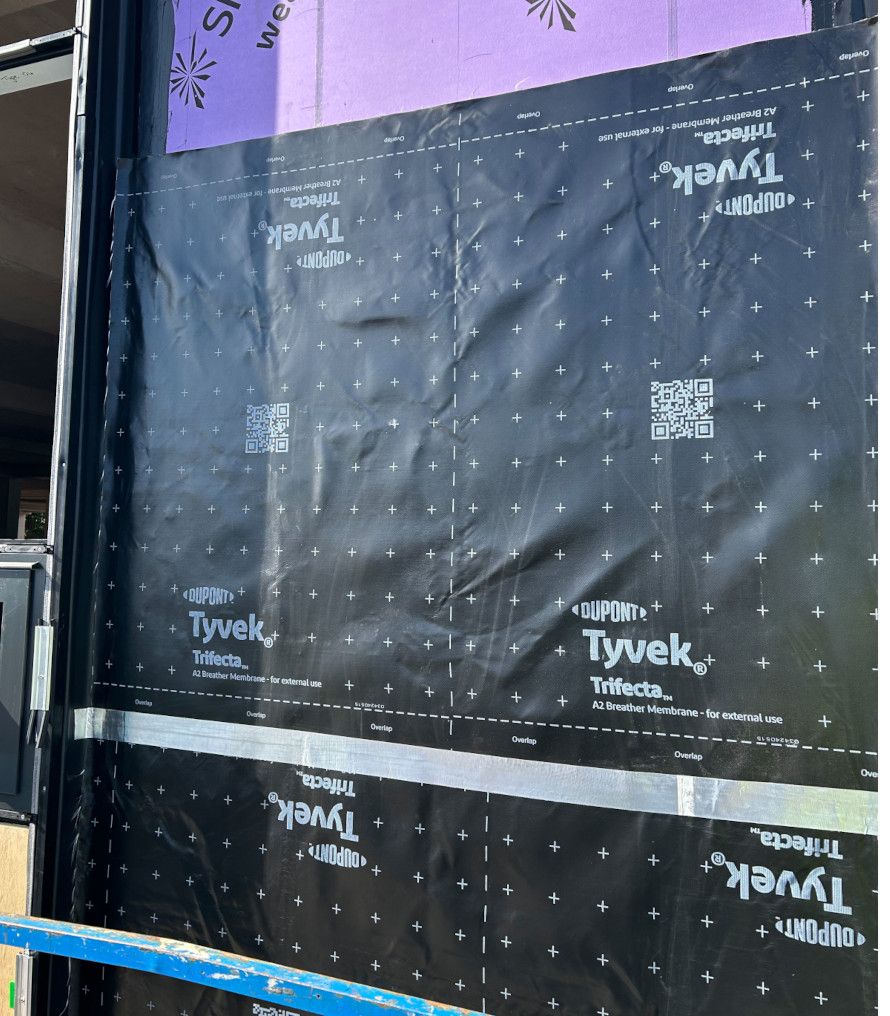
Key product links:
- DuPont™ Tyvek® Trifecta™
- DuPont™ Tyvek® FireCurb®
- DuPont™ AirGuard® A2 FR
- DuPont™ AirGuard® FR System Tape
In addition to product specifics, DuPont offers educational and technical support. Stakeholders can benefit from our Continuing Professional Development (CPD) courses and technical service manuals. These resources are designed to streamline the submission process and ensure the completeness of the evidence provided to the Building Safety Regulator (BSR).
Additional useful links:
- Declaration of Performance documents
- DuPont Technical Manual
- Continuing Professional Development
- Where to buy Tyvek solutions
These resources from DuPont are vital tools for ensuring that your Gateway 2 application is both robust and compliant with UK building regulations.
Obtaining accurate fire test classification reports is crucial for Gateway 2 applications. DuPont provides these essential reports to assist with compliance requirements. Stakeholders can easily request these documents to ensure adherence to safety standards.
For fire test classification reports, email tyvek.construction@dupont.com.
Frequently asked questions about Gateway 2 and the Building Safety Act
What is the Building Safety Act?
The Building Safety Act aims to improve safety standards in UK construction. It was introduced in response to safety concerns, especially after the Grenfell Tower fire. The act includes several stages, with Gateway 2 being a central component.
What is the purpose of Gateway 2?
Gateway 2 focuses on detailed design safety. It ensures plans are compliant before construction begins. The goal is to integrate safety from design through to completion. This phase requires submitting comprehensive safety documentation.
What documents are needed for Gateway 2?
Documents include detailed safety plans, compliance certificates, and performance evidence. This ensures that all aspects of the building's design and construction meet regulatory requirements. Preparing these documents in advance is crucial.
How can DuPont help with Gateway 2?
DuPont provides resources such as technical manuals, specification support, and CPD. They offer relevant product data and evidence packs to help meet safety standards. The DuPont technical services support documentation and submission quality.
Conclusion
Gateway 2 of the Building Safety Act (BSA) is a pivotal step in enhancing safety in UK building projects. It emphasizes incorporating detailed safety measures into the early stages of design and construction. Ensuring compliance at this stage supports safer, more resilient structures.
For updates on Building Safety Act UK developments, monitor UK building safety act news. Also see Building Safety Act news UK.




© 2021 DuPont de Nemours, Inc. All rights reserved. DuPont™, the DuPont Oval Logo, and all products, unless otherwise noted, denoted with ™, ℠ or ® are trademarks, service marks or registered trademarks of affiliates of DuPont de Nemours, Inc.