


Protective Clothing Case Studies: Tyvek® & Tychem®
Explore real-world DuPont™ Tyvek® and Tychem® protective clothing case studies across chemical processing, pharmaceutical manufacturing, energy, mining, nuclear operations and emergency response. Each example describes workplace hazards, garment selection and practical considerations, including wear trials, worker feedback, comfort and contamination control. These experiences can inform PPE discussions but do not replace a task-specific risk assessment or current product performance data.
Protective Clothing in Practice: Real Workplace Challenges
Every workplace brings its own combination of hazards, working conditions and protection requirements. Choosing the right protective garment is not simply about meeting a standard. It is about understanding the task, the environment and the people performing the work.
Explore how organisations across pharmaceutical manufacturing, chemical processing, energy, mining, nuclear, food production, healthcare and emergency response use DuPont™ Tyvek® and Tychem® protective clothing in real working environments.
These case studies examine workplace hazards, garment selection, wear trials, worker feedback and protective clothing performance across a range of applications. See how safety and HSE teams have worked with DuPont specialists to evaluate protective garments for chemical exposure, hazardous particles, biological hazards, contamination control and other demanding conditions.
Browse case studies by industry below to find challenges, applications and protective clothing solutions relevant to your workplace.
Featured Protective Clothing Case Studies
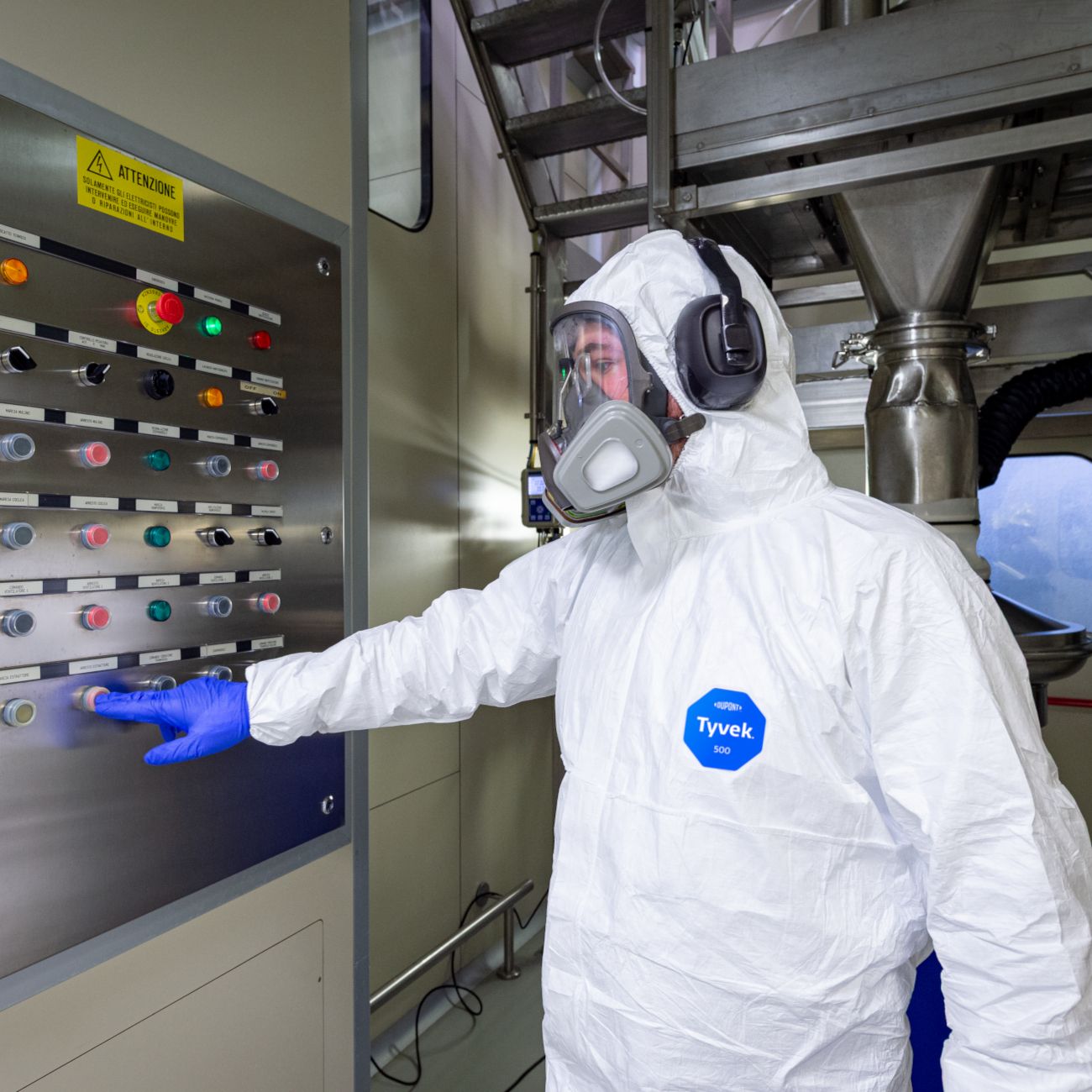
Pharmaceutical Manufacturing - Italy
Enhancing Worker Safety in Pharmaceutical Manufacturing
How PROCOS evaluated protective garments for API production, powder handling and maintenance.
PROCOS, a pharmaceutical CDMO near Milan, evaluated protective clothing for employees working with APIs, powders and corrosive cleaning agents. Following technical assessments and wear trials across different roles and body types, the HSE team selected Tyvek® 500 Xpert for HPAPI and powder handling and Tychem® 6000 F for maintenance activities.
- Challenge:
- Exposure to toxic, carcinogenic and corrosive substances
- Solution:
- Tyvek® 500 Xpert, Tychem® 6000 F
- Result:
- Protective clothing selected through technical evaluation and employee wear trials

Working at Heights
Protective Clothing Designed for Full-Body Harness Wearers
Developed with fall-protection specialist MSA, the patent-pending Tyvek® 500 HP model TY178 is designed to be worn over a full-body harness. Four D-ring sleeves provide access to connection points while helping protect both the wearer and harness.
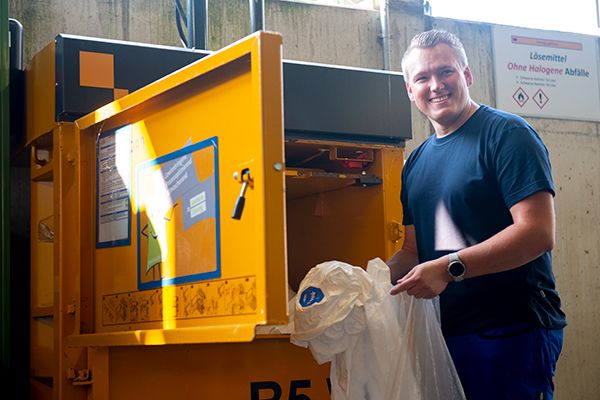
Sustainability · Germany
Giving Disposable Cleanroom PPE a Second Life
Boehringer Ingelheim Dortmund makes up to 45 million RESPIMAT® inhalers a year. Through the DuPont recycling programme, it now recycles 99% of its mono-material Tyvek® 500 coveralls.
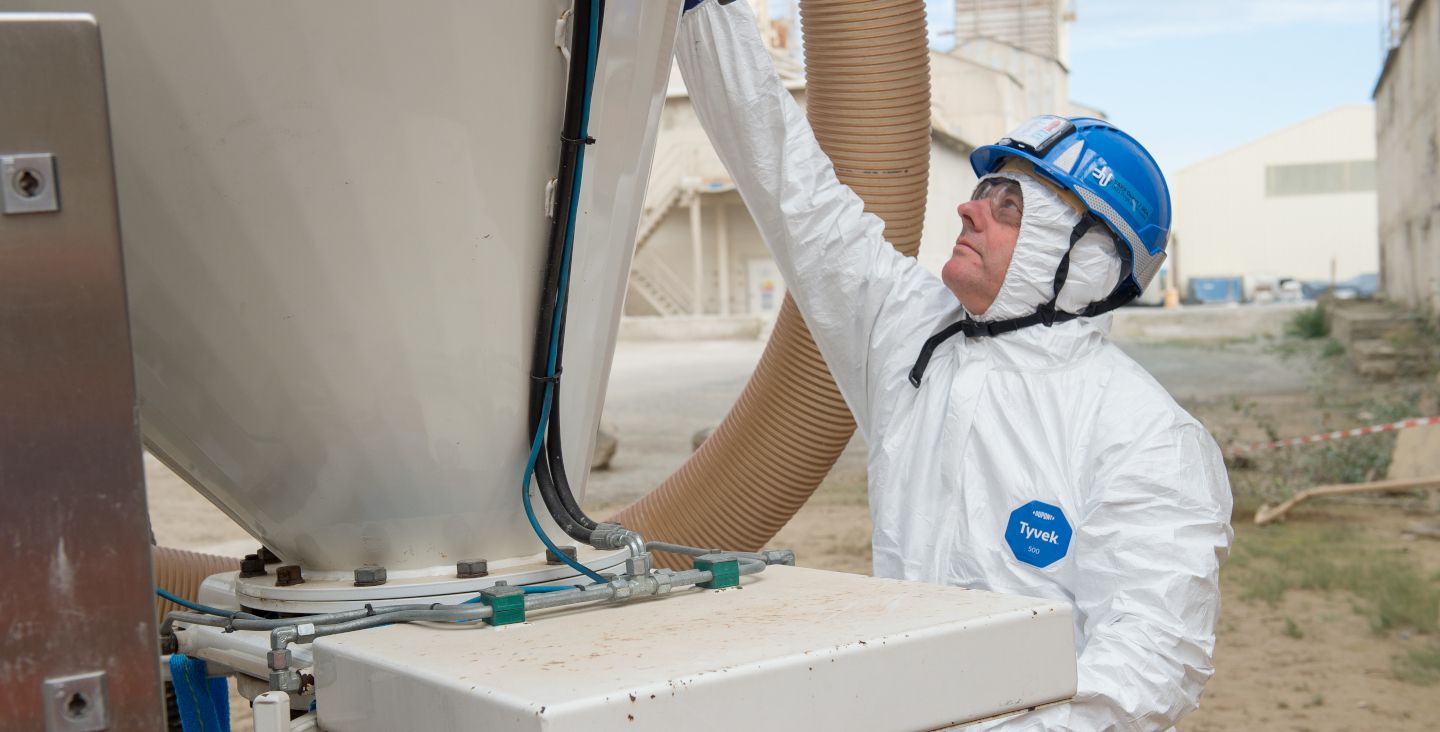
Industrial Cleaning - France
SARP Veolia: From Worker Protection to Safety Training
Technicians pumping quicklime face respiratory and burn risks. DuPont risk assessments, hooded Tyvek® coveralls and donning/doffing training keep the teams protected.
"
DuPont's garments fit like a second skin and do not restrict our staff in carrying out their work.
"
Hartmut Timpf, Head Safety Engineer, Energiewerke Nord (nuclear decommissioning)
Browse Protective Clothing Case Studies by Industry
-
Chemical
-
Energy
-
Food & Beverage
-
Healthcare
-
Manufacturing
-
Mining
-
Nuclear
-
Pharma & Life Sciences
-
Public Services & Emergency
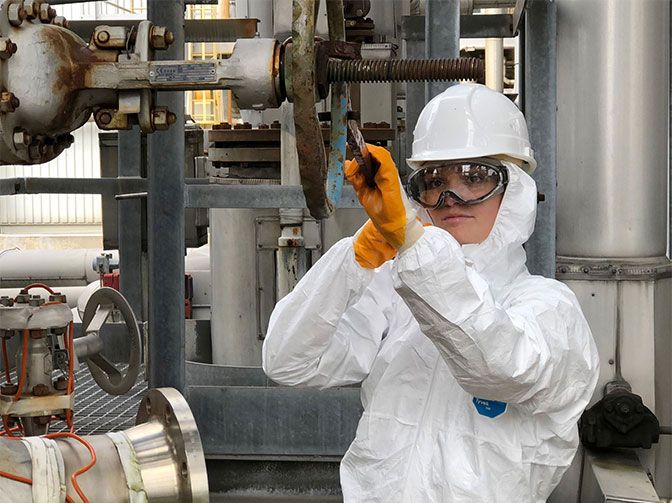
Chemicals - Germany
Dow Stade: One Standard for 2,000 Chemicals
With around 2,000 chemicals on site, Dow needed garments that cover as many substances as possible. DuPont permeation data, long wear tests and joint training workshops made Tychem® and Tyvek® the site standard.
Garment: Tychem® 2000 C, Tychem® 6000 F, Tyvek® 600 Plus
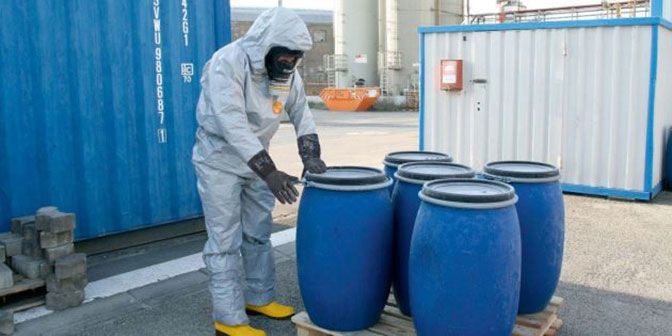
Soil Remediation - Germany
Merck: A Tighter Seal Without Taping
As workplace limits for substances like benzene tightened, Merck needed a better seal. Tychem® 6000 F FaceSeal's rubber face seal, attached gloves and back entry removed the need for taping at critical points.
Garment: Tychem® 6000 F FaceSeal

Specialty Chemicals - France
Rohm and Haas: Chemical Protection on a Seveso Site
On a 70-hectare Seveso II site in Alsace, operators pump acetic acid from drums and transfer raw materials from tankers. Risk analyses, permeation data and training led to Tychem® F as the standard coverall.
Garment: Tychem® 6000 F

Wind Energy - Spain
Gamesa: Protection and Comfort in Wind Turbine Blade Production
Gamesa protects 600 workers across four Spanish wind blade plants from resins, adhesives and sanding dust. After field trials, workers picked Tyvek® 500 Xpert for full protection and Tyvek® 400 Dual where breathability matters most.
Garment: Tyvek® 500 Xpert, Tyvek® 400 Dual
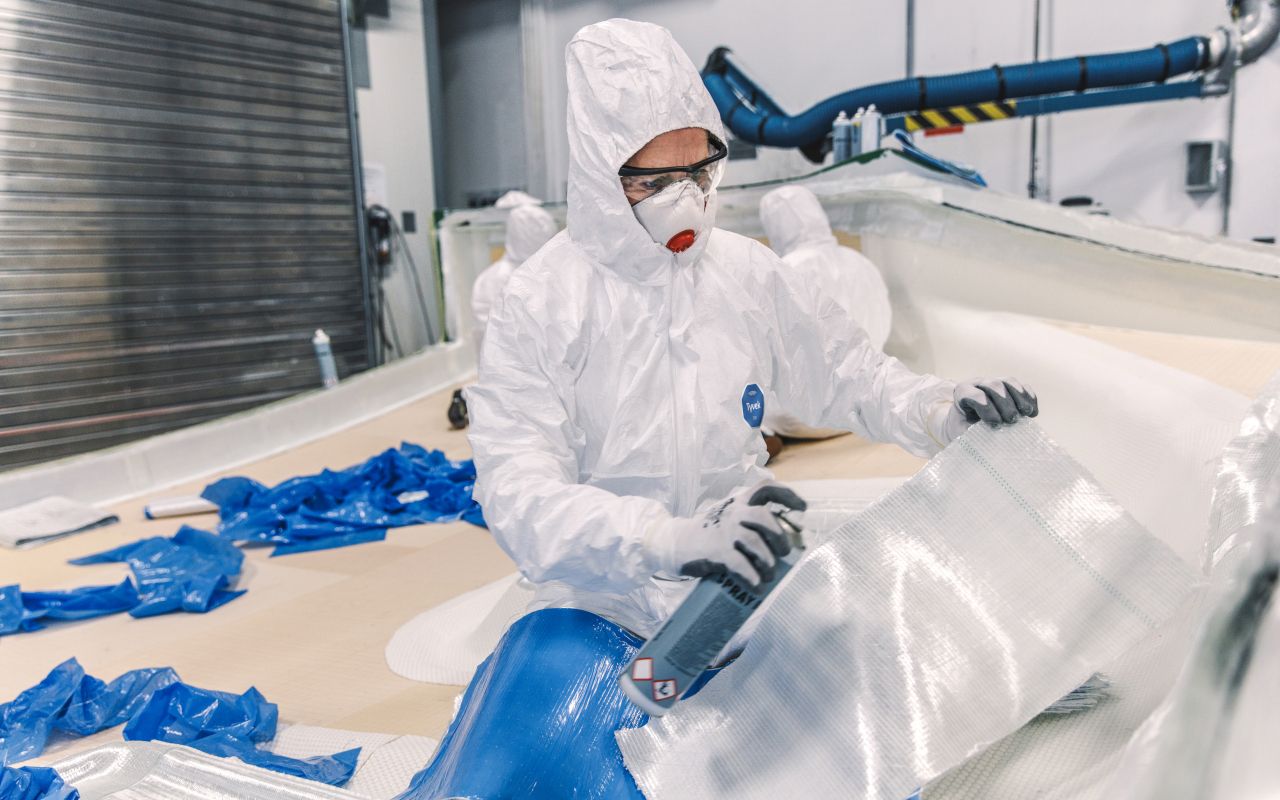
Composites & Wind - Slovenia
ELAN: Protection in Composite Manufacturing
ELAN's wind power division works with resins and glass fibre dust that can irritate skin and trigger allergies. Since 2010, Tyvek® coveralls have protected workers who wear them for almost the entire shift.
Garment: Tyvek® 600 Plus, Tyvek® 500 Xpert
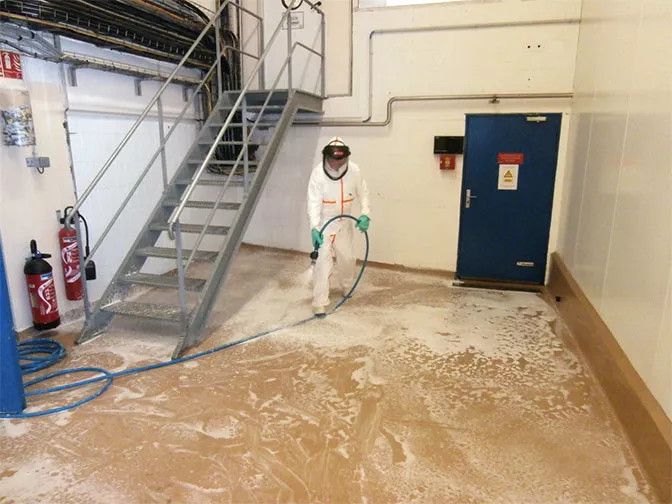
Dairy - France
LAÏTA: Type 3 Protection Without the Heat in Dairy Cleaning
Dairy cleaning teams use foam guns, hot water and changing detergents. LAÏTA replaced hot, ill-fitting Type 3 suits with Tyvek® 800 J, which staff find easier to put on and far cooler to work in.
Garment: Tyvek® 800 J
Food & Beverage - France
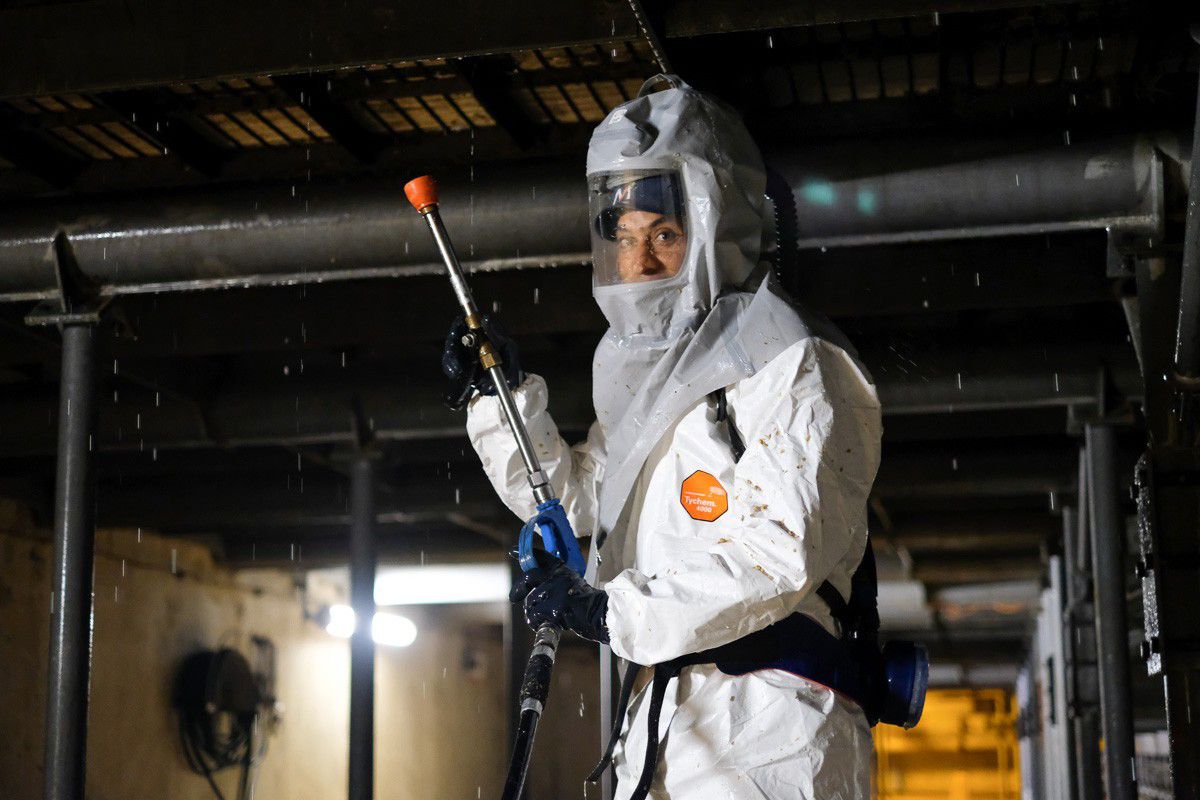
Malteurop: Chemical Protection in Malting
Daily bleach and high-pressure cleaning in near-100% humidity and confined spaces call for real chemical protection. After on-site trials, workers unanimously chose Tychem® 4000 S and DuPont trained the teams.
Garment: Tychem® 4000 S
Healthcare - Luxembourg
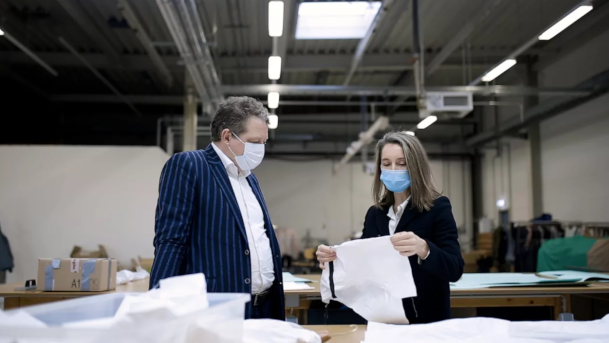
Collaborating in Crisis: Fashion Meets PPE During COVID-19
When a Luxembourg hospital faced severe PPE shortages, designer Eva Ferranti and DuPont set up a custom supply chain, scaling from 10–20 tailored suits a week to around 500 Tyvek® garments a day.
Garment: Tyvek® fabric
EMERGENCY MEDICAL - GERMANY
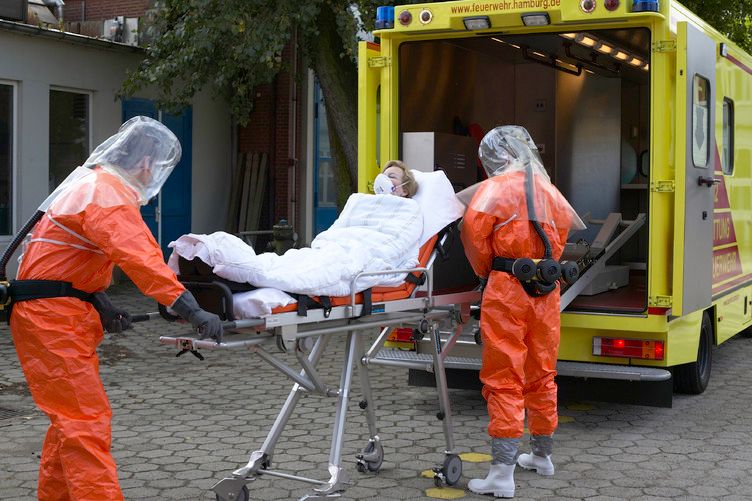
Altona: A Bio-Barrier for Contagious Patients
Hamburg's infection control ambulance transports patients with suspected Ebola or SARS. Switching to Tychem® 6000 F with a powered hood cut the staff needed per call from 20 to 10.
Garment: Tychem® 6000 F
Steel Fabrication - United Kingdom
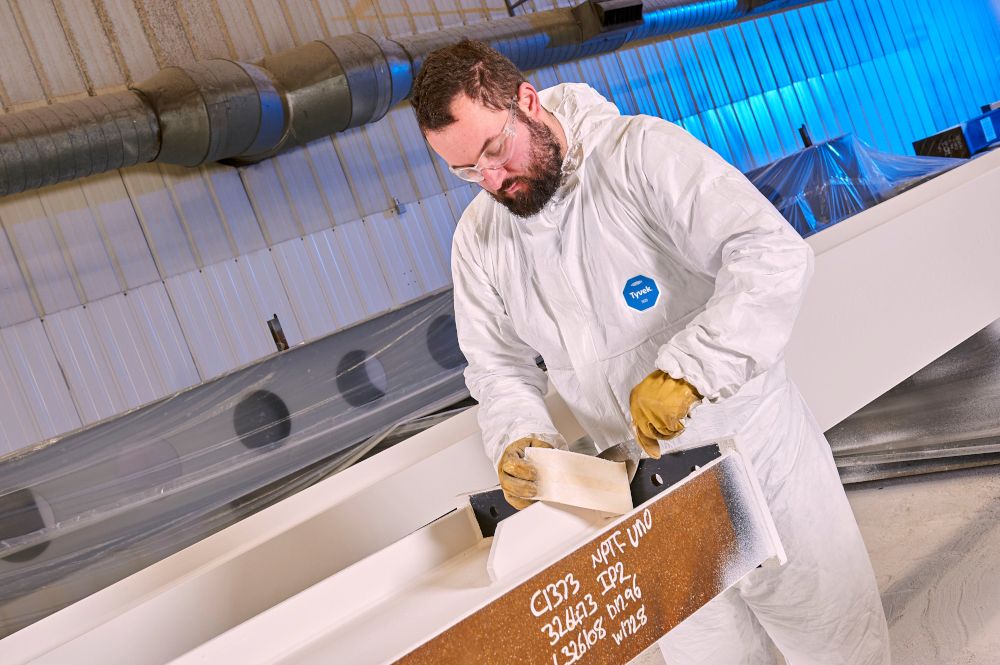
Severfield: Comfort for 10-Hour Paint Shifts
The UK's largest structural steel specialist needed lightweight coveralls for painters applying primers and fire-protective coatings. Tyvek® 500 Xpert has been their go-to garment for almost 20 years.
Garment: Tyvek® 500 Xpert
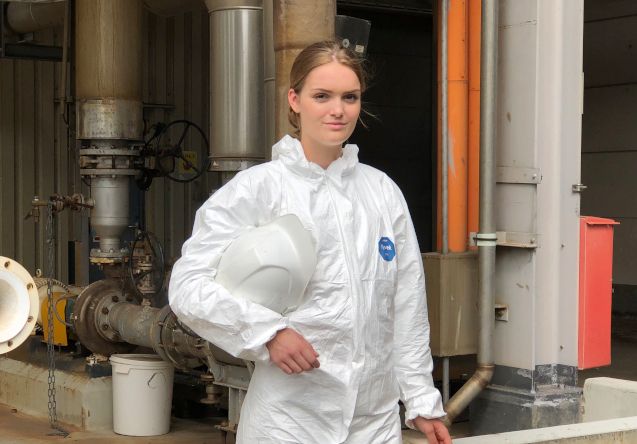
Industrial Maintenance - France
Groupe Ledoux: Why Buyers Keep Choosing Tyvek®
Technicians renovating heavily soiled machinery need coveralls that stay clean and move with them. Ledoux's buyers explain why cheaper alternatives disappointed, and why European-made Tyvek® fits their procurement policy.
Garment: Tyvek® coveralls
Cement - Germany
Holcim: Cement Workers Switch to Tyvek®
At Holcim Lägerdorf, alternative kiln fuels generate heavy dust and the previous SMS garments tore too easily. Tyvek® met the barrier, comfort and strength criteria and was rolled out to a second plant.
Garment: Tyvek® Type 5/6 coveralls
Boat Building - France
Bénéteau: Protecting Boat Builders
At one of the world's leading boat builders, moulding and flashing workers face polyester spray and fine dust. Lightweight, breathable Tyvek® keeps them comfortable at temperatures up to 33°C.
Garment: Tyvek® coveralls
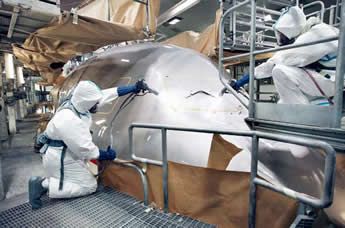
AEROSPACE - FRANCE
AIRBUS: Tyvek® and Tychem® Across Paint Shop and Inspection
Painters spray A320 aircraft from four-level scaffolding, while inspectors crawl into wings sealed with polysulphide. After trials and medical analysis, DuPont became Airbus France's sole supplier of Category III garments.
Garment: Tyvek® 600 Plus, Tychem® 6000 F
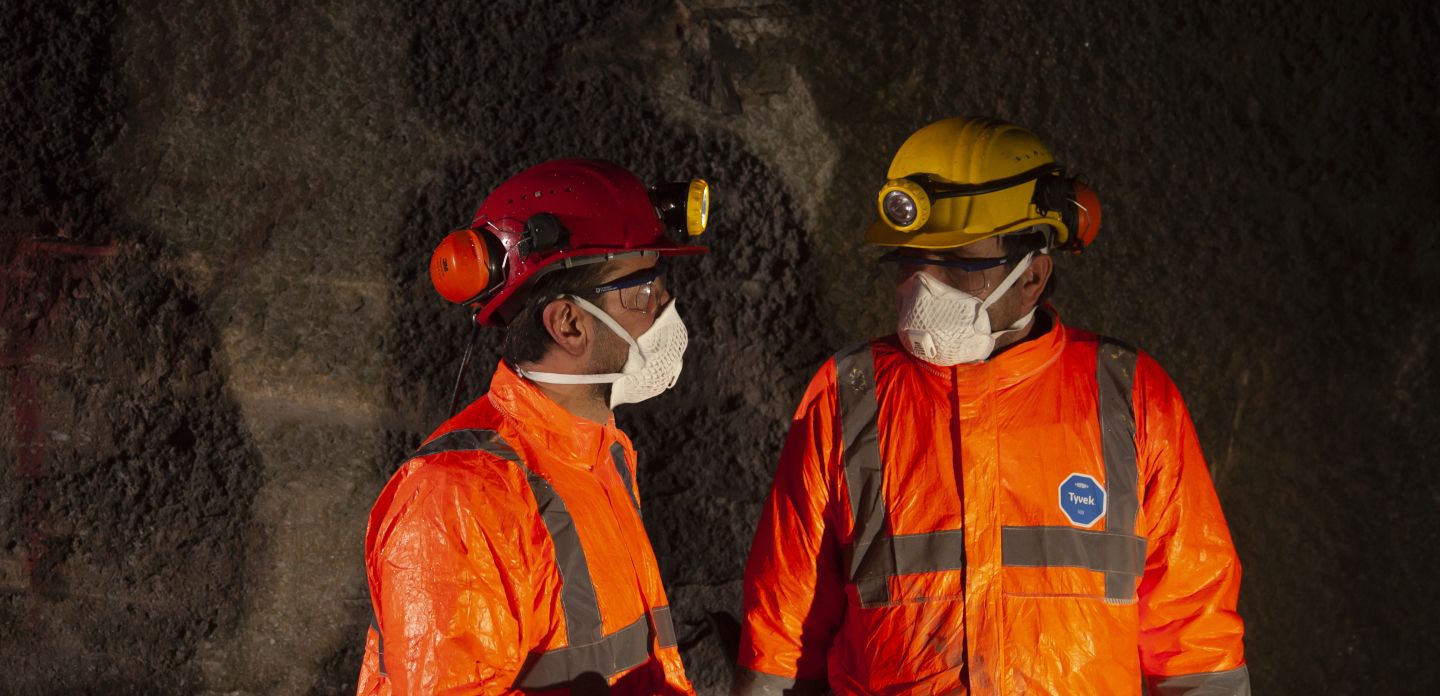
MINING - TÜRKIYE
Eti Bakır: High Visibility 960 Metres Underground
With around 80 machines in up to 40 km of tunnels, being seen is a safety must at the Küre copper mine. Tyvek® 500 HV adds high visibility to everyday protection.
Garment: Tyvek® 500 HV
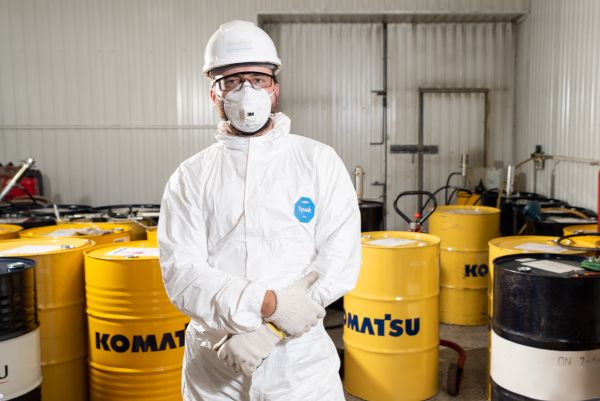
MINING - RUSSIA
Sumitec: Severe Conditions at a Siberian Coal Mine
Sumitec's repair crews service heavy equipment in oil, coal dust and extreme weather. They have relied on Tyvek® 500 Xpert for over 10 years, and in field trials Tyvek® 800 J kept used engine oil off the wearer.
Garment: Tyvek® 500 Xpert, Tyvek® 800 J
NUCLEAR - GERMANY
Energiewerke Nord: Protection in Nuclear Decommissioning
During the dismantling of the Lubmin nuclear power plant, staff face airborne particles, asbestos fibres and residual radioactive contamination. Tyvek® coveralls meet Type 5/6 and EN 1073-2 while staying light and breathable.
Garment: Tyvek® 500 Xpert
NUCLEAR - UNITED KINGDOM
UKAEA: A Tailor-Made Suit for Windscale
Working with UKAEA, DuPont designed a Tyvek® 600 Plus variant with socks and thumb loops, plus new donning and doffing procedures. After trials at Windscale, it became the single-use suit for all UKAEA sites.
Garment: Tyvek® 600 Plus
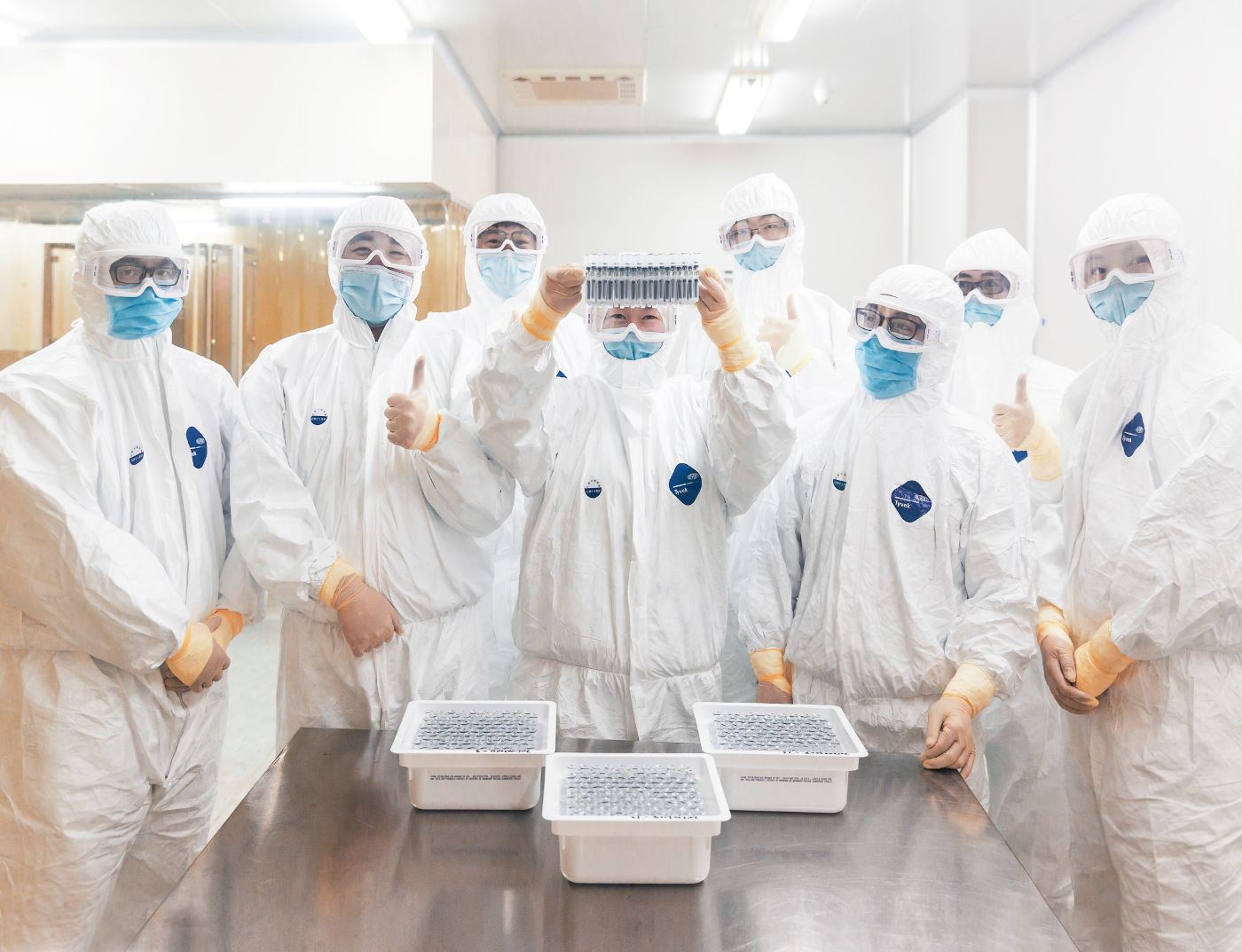
VACCINES - CHINA
SINOVAC: Protecting Frontline Workers in Vaccine Manufacturing
In COVID-19 vaccine production, virus leakage and operator-borne contamination are the key risks. Tyvek® garments meet GMP A/B and C/D requirements, and DuPont kept supply flowing at the height of the pandemic.
Garment: Sterile Tyvek® IsoClean garments
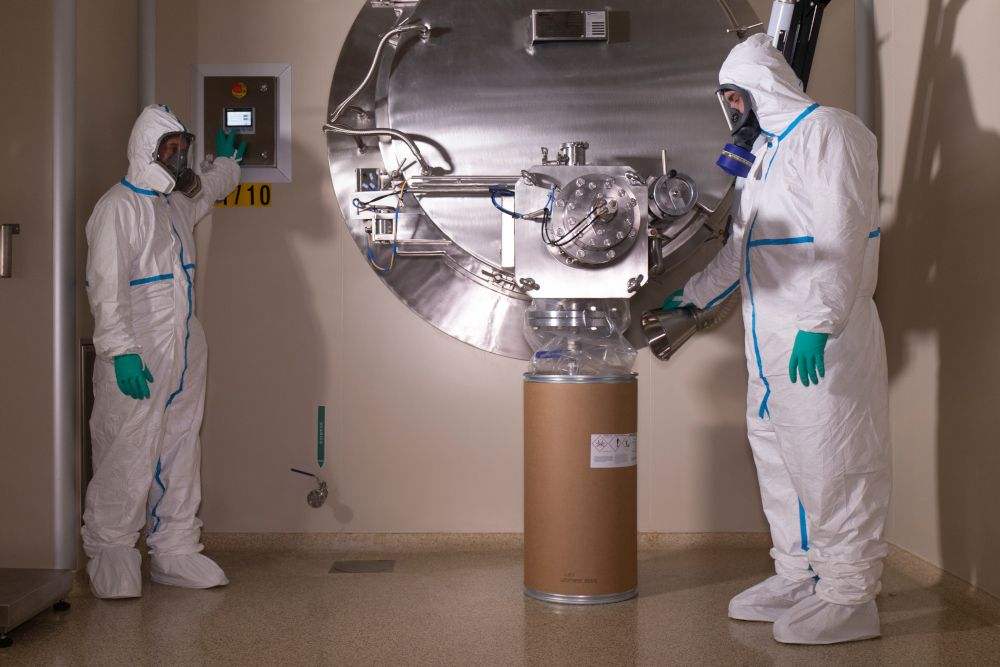
Pharmaceuticals - ITALY
Icrom: Visible Proof of Protection
Icrom handles intensely coloured pharmaceutical tracers, which made skin contamination visible. With Tyvek® 600 Plus, operators' skin stayed free of staining, unlike with the coveralls used before.
Garment: Tyvek® 600 Plus, Tyvek® 200 EasySafe
)
Pharmaceutical Manufacturing - Germany
Pharma Production: Safer Donning and Doffing with Tychem® 6000 F FaceSeal
Personnel working with acids, alkalis and other hazardous substances in pharmaceutical production use Tychem® 6000 F FaceSeal for chemical protection. Following wear trials, the company also worked with DuPont to develop an on-site training video demonstrating correct donning and doffing procedures.
Garment: Tychem® 6000 F FaceSeal
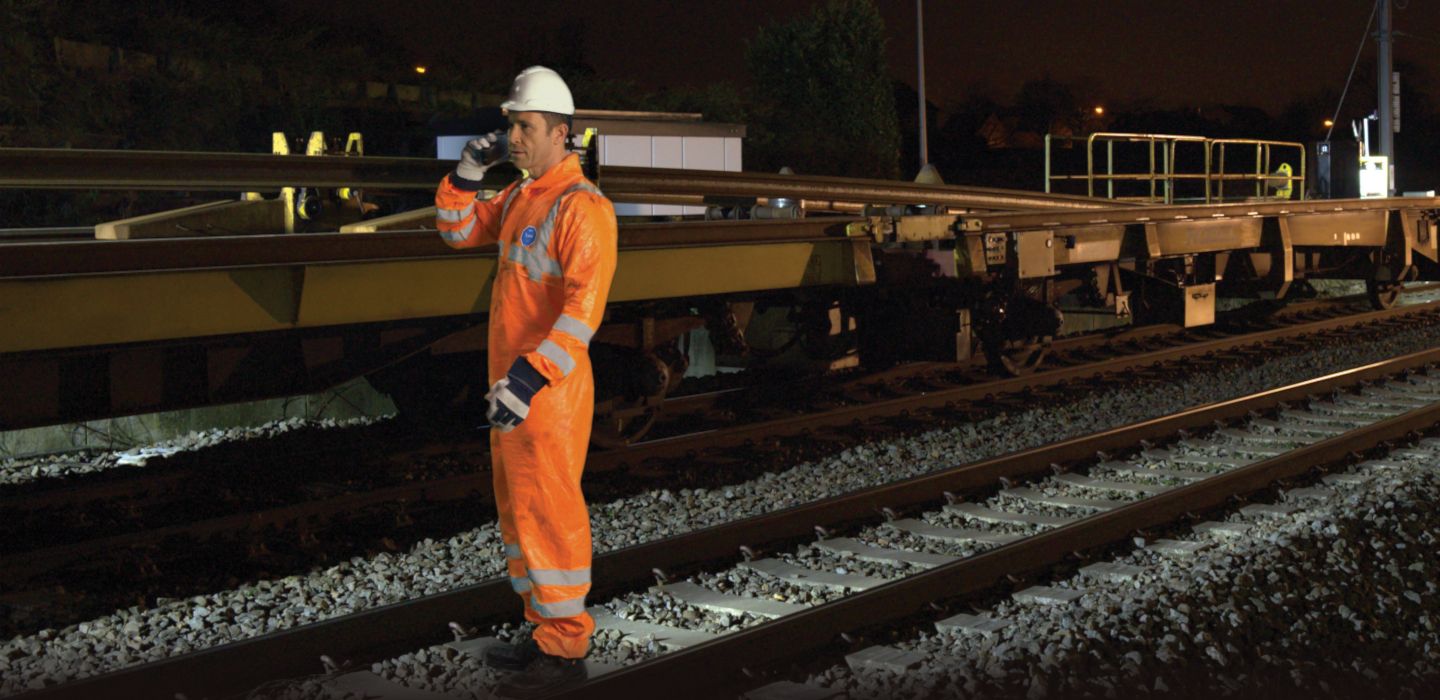
Rail & Transport - France
SNCF: One Coverall for Rail Maintenance
Developed with SNCF, Tyvek® 500 HV combines chemical, biological and antistatic protection with Class 3 high visibility. It replaced a stock of 23 washable hi-vis garments per worker.
Garment: Tyvek® 500 HV
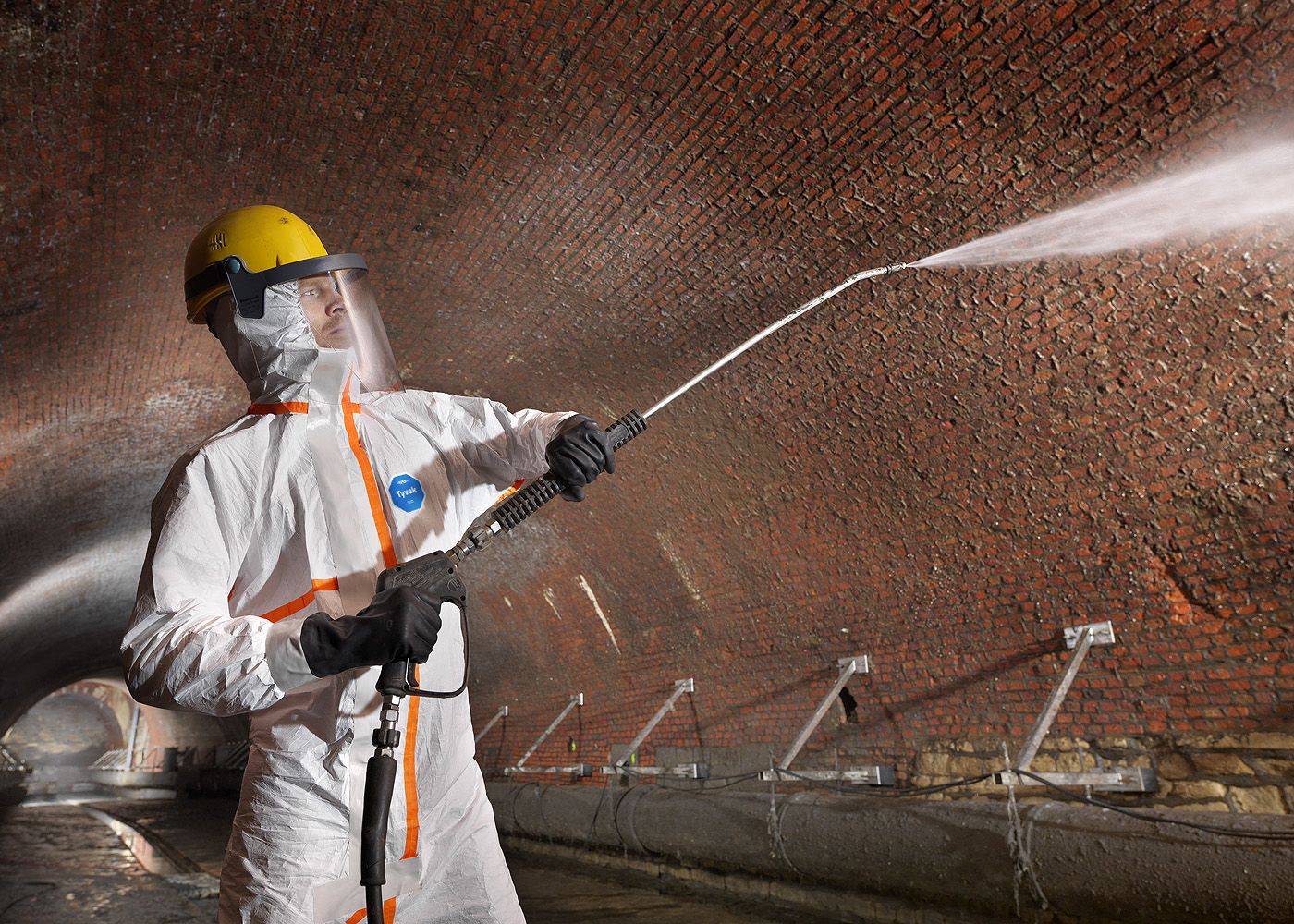
Water & Sanitation - France
Tours Métropole: Protecting Sewer Workers
Sewer workers across a 1,212 km network kneel, crawl and lie in standing water while facing chemical and biological risks. Tyvek® 800 J gives them watertight, breathable protection with stitched-and-taped seams.
Garment: Tyvek® 800 J
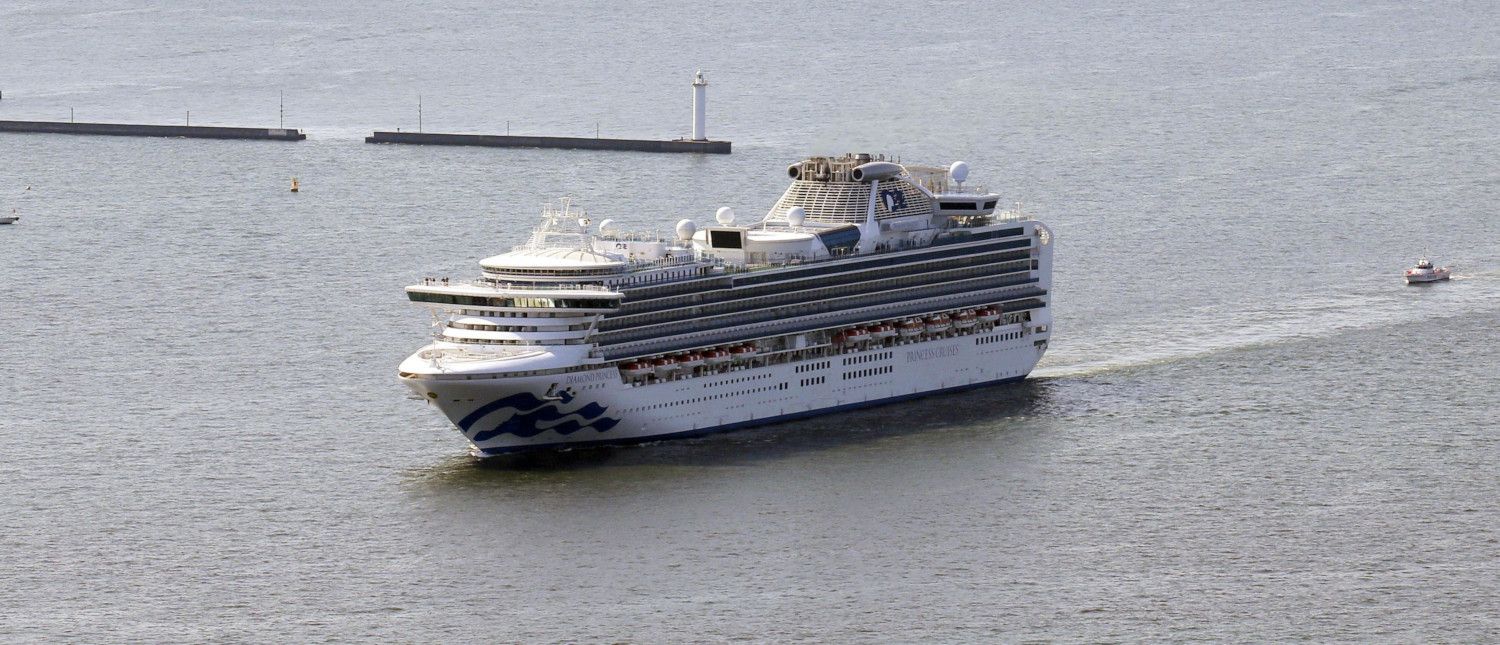
Disinfection - Japan
Diamond Princess: Large-Scale Decontamination of a Cruise Ship
After the 2020 COVID-19 outbreak, RecoveryPRO and BELFOR Group cleaned and disinfected the ship around the clock. DuPont supplied Tyvek® garments despite global shortages.
Garment: Tyvek® coveralls

Forensics - United Kingdom
Crime Scene Protection with Tyvek®
For scenes of crime officers, a single skin cell or fibre can compromise evidence. Low-linting Tyvek® coveralls protect both the scene and the wearer, as Thames Valley and Metropolitan Police experts explain.
Garment: Tyvek® coveralls
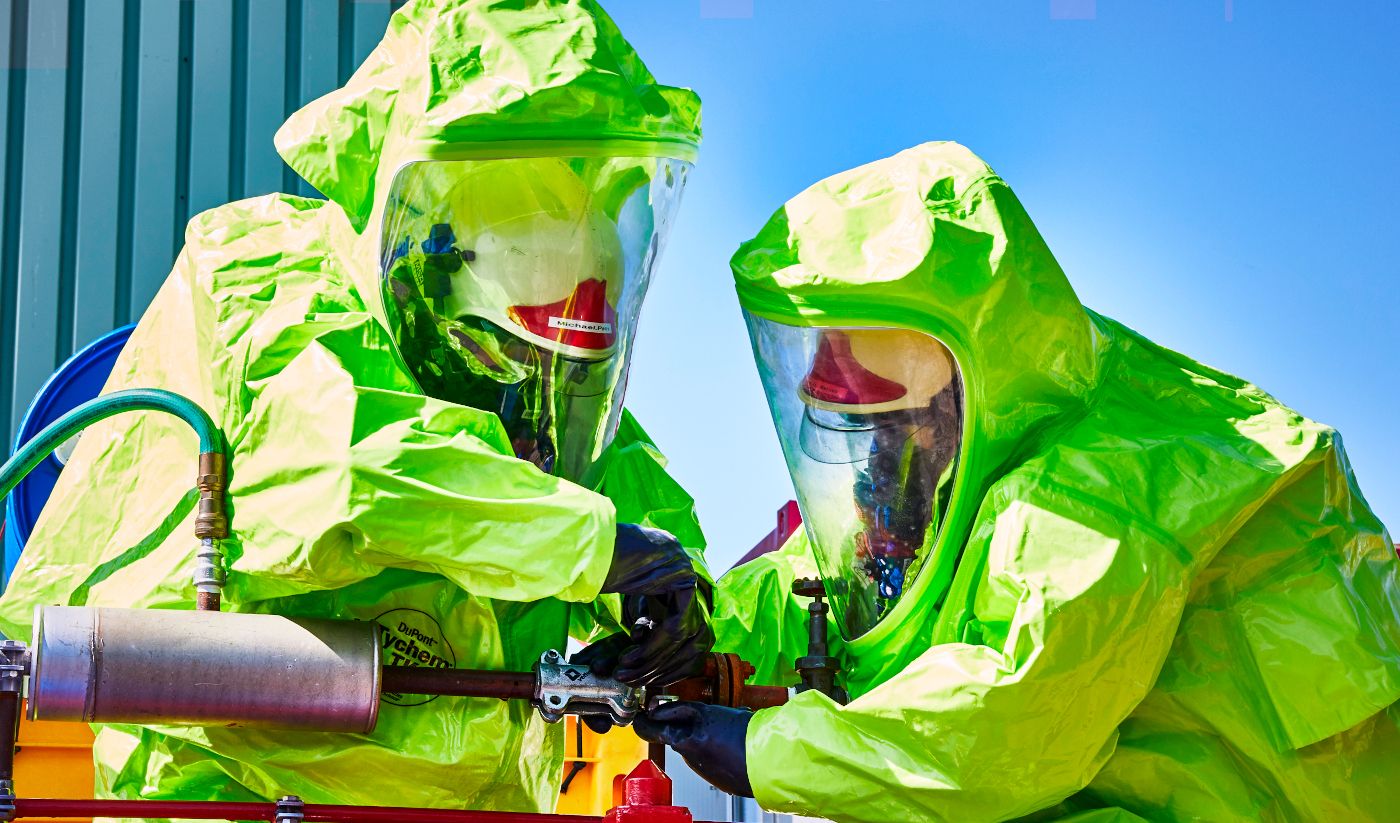
Water & Sanitation - France
Fire Brigade Tests the Tychem® TK Gas-Tight Suit
In a simulated ammonia leak at DuPont Luxembourg, firefighters sealed the pipe in 10 minutes wearing Tychem® TK, a suit with over 8 hours of permeation resistance to gaseous ammonia.
Garment: Tychem® TK
#TyvekRealVoices
Hear from the People Who Wear Tyvek®
Hear directly from professionals who rely on Tyvek® protective clothing in demanding environments, from disaster response with Team Rubicon to specialist cleaning and industrial applications.
Explore Tyvek® Real Voices


Find the Right Protection for Your Job
Every success story starts with the right garment. Explore SafeSPEC™ or talk to our experts.