







TY0198SWHES
Tyvek® 500 ES
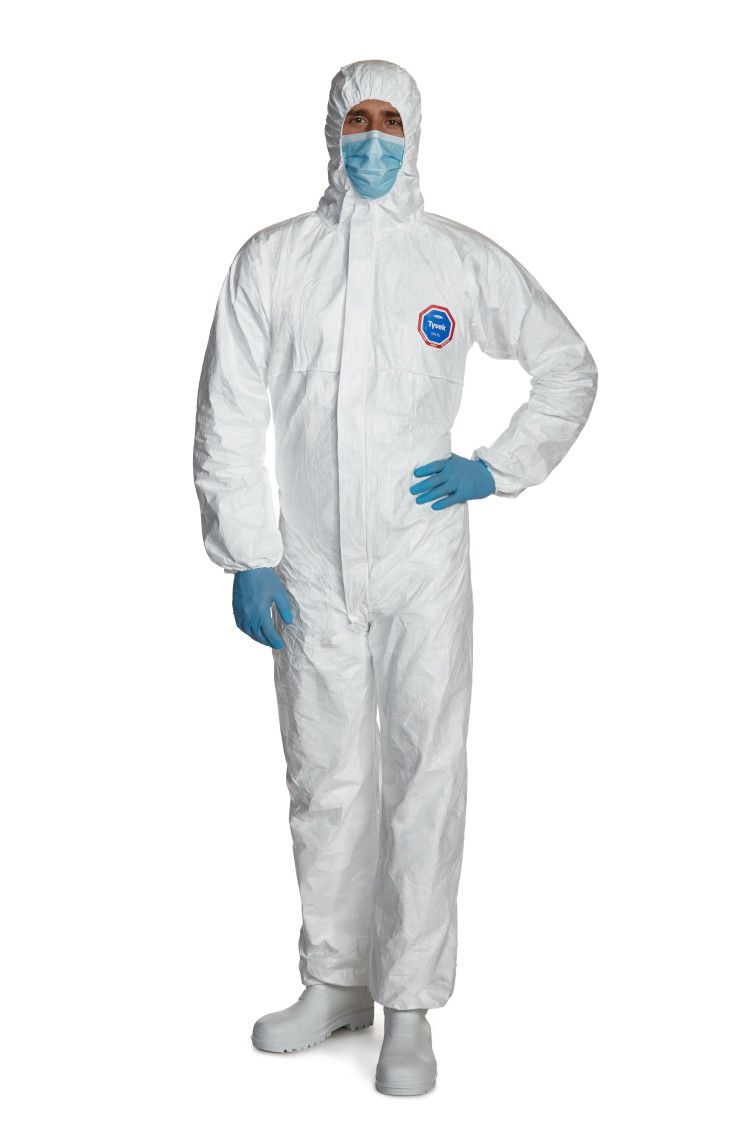
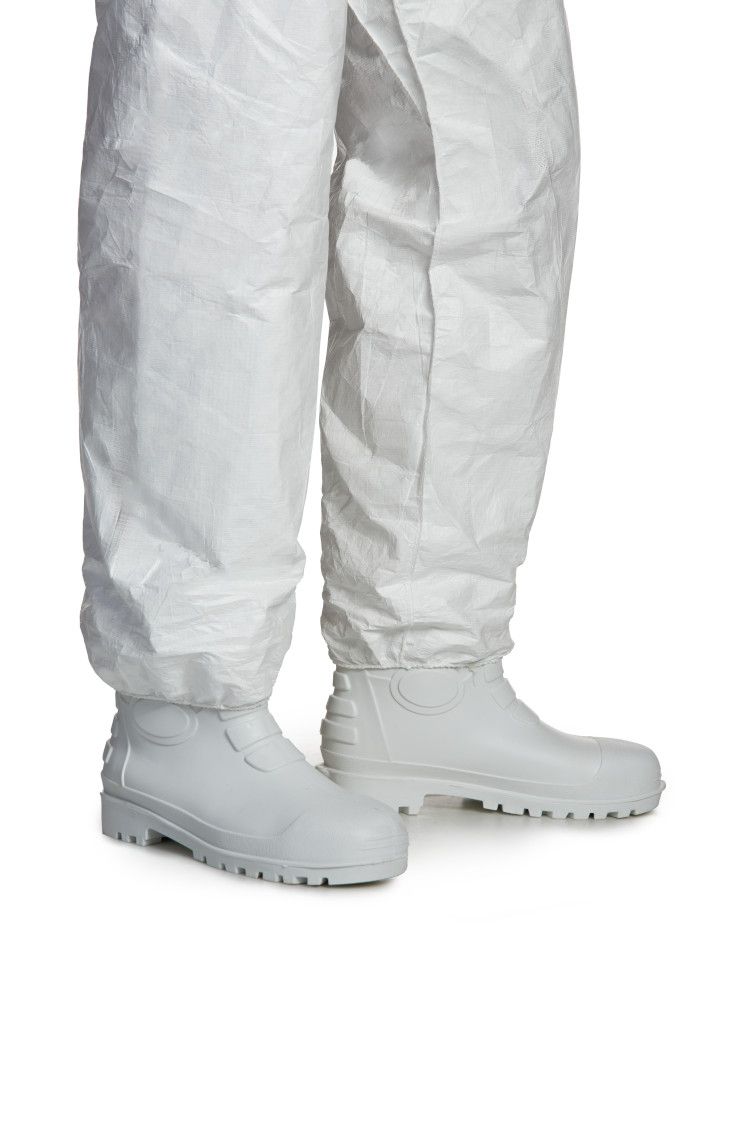
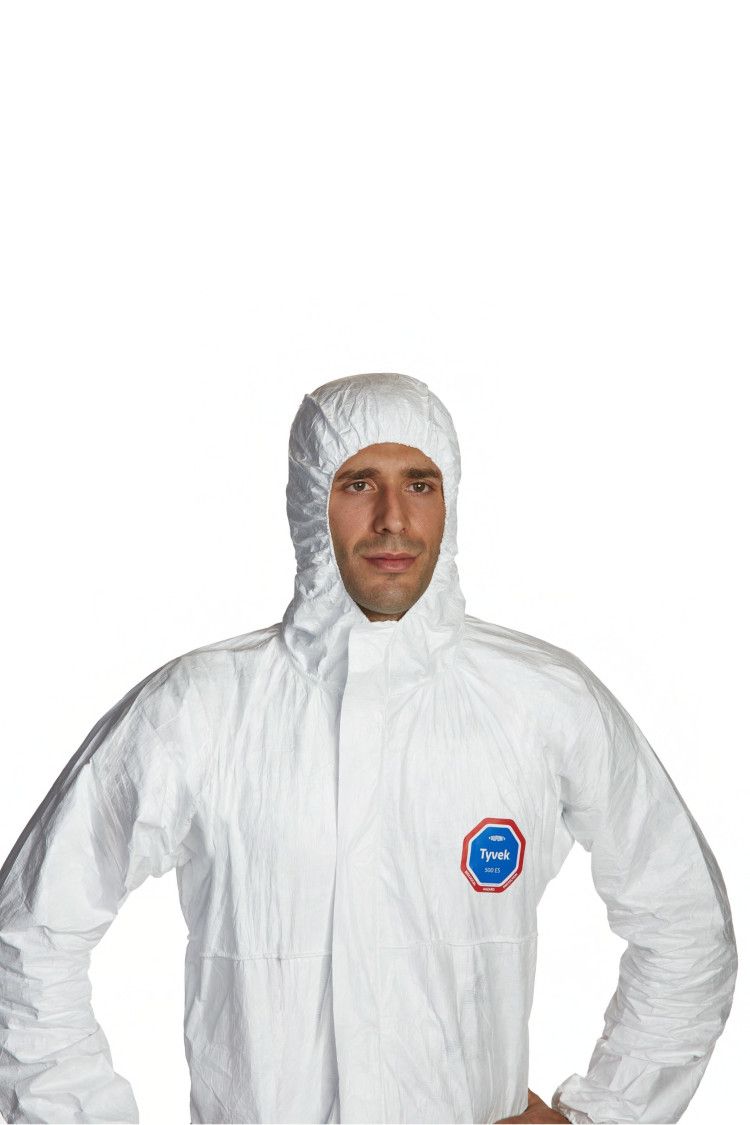
DuPont™ Tyvek® 500 ES. Hooded coverall. Ergonomic-protective design. Stitched external seams. Elasticated wrists, ankles and face. Elasticated waist (glued-in). Tyvek® zipper and flap. White. Developed for Emergency services teams: better comfort with 2 times more breathable fabric than Tyvek® 500 material, the fabric meets the Standard Performance requirements of EN 13795-1 (Surgical clothing and drapes) and provides protection against biological hazard EN 14126. This garment is suitable for use in medical device applications

The following information must be read and accepted by the user before proceeding.
The DuPont™ SafeSPEC™ Product Selector Tools - Hazard, Industry, Guide, My Scenarios and Double-check- are intended to assist in choosing protective clothing for particular applications and does not replace the judgment of a qualified safety professional or industrial hygienist. Additional personal protective equipment, such as such as but not limited to: respiratory, eye, head, foot, and hand protection, may be required.
Supplying the proper hazard/chemical and exposure information for your hazard scenario is criticalin order to obtain an accurate recommendation. Inaccurate information could result in an improper recommendation. To ensure that the hazard/chemical information is accurate, consult the MSDS (Material Safety Data Sheet) supplied with the chemical. DuPont DISCLAIMS ANY RESPONSIBILITY OR LIABILITY FOR SUITS SELECTED USING these PRODUCT SELECTOR TOOLS, BASED ON ANY INCOMPLETE, INACCURATE, OR MISLEADING INFORMATION PROVIDED BY THE USER. There are other factors involved which could affect the final PPE (Personal Protective Equipment) decision and may not be considered in these Product Selector Tools. SafeSPEC™ Product Selector Tools provides information on DuPont suit styles for particular applications. The final decision on suit selection is the responsibility of the safety professional and end-user.
There are uses, environments and chemicals for which any garment will be unsuitable. It is the responsibility of the user to review available data and verify that the garment selected is appropriate for the intended use and meets all specified government and industry standards.
1 Choose Hazards
1 Enter
Chemicals
2 View Permeation Data
2 View
Data
3 View Matching Products
3 View
Products
Step 1 of 3
You may enter from one to five chemicals or other hazards that may be present in your working environment. Our tool will find the best product match for the combined hazards. Enter a single chemical or hazard if you wish to find the best possible product match for that one hazard.
Chemical or Other Hazard Name
or
CAS Number
| Chemical Details | CAS | Actions |
|---|
1 Choose Hazards
1 Enter
Chemicals
2 View Permeation Data
2 View
Data
3 View Matching Products
3 View
Products
Step 2 of 3
The table below shows the Normalized Breakthrough times of fabrics for the hazards selected. (Testing Details) You can find specific garments that protect against these hazards by clicking the 'Next' button below.
Done
Done
Done
 TYVEK
TYVEK
|
TYCHEM
|
GLOVES
|
||||||||||
|---|---|---|---|---|---|---|---|---|---|---|---|---|
1 Choose Hazards
1 Enter
Chemicals
2 View Permeation Data
2 View
Data
3 View Matching Products
3 View
Products
Step 3 of 3
If any of the following apply:
Please consider fire fighter PPE (personal protective equipment). Read more.
If none of these conditions apply but FR clothing is required in your working environment, close this box and proceed to the next question. Only fabrics that provide both chemical resistance to the hazards you have listed and protection during escape from a flash fire will be considered for your hazard scenario.
1 Choose Hazards
1 Enter
Chemicals
2 View Permeation Data
2 View
Data
3 View Matching Products
3 View
Products
step3of3
 Is Suitable For Hazard Scenario
 Is Not Suitable For Hazard Scenario
| Hazard | Fabric/Materials | Seam | Design |
|---|

Matching Products (0)
Your hazard scenario did not produce any results. May we suggest:
If you still need help, please Contact Us.
Is Suitable For Hazard Scenario Is Not Suitable For Hazard Scenario
| Hazard | Fabric/Materials | Seam | Design |
|---|


| PRODUCT DETAILS | |
|---|---|
| Full Part Number | TY0198SWHES |
| Fabric/Materials | TYVEK® 500 ES |
| Design | Hooded coverall with elastics |
| Seam | Stitched (external) |
| Color | White |
| Sizes | SM, MD, LG, XL, 2X, 3X |
| Quantity/Box | 25 per box, individually packed |
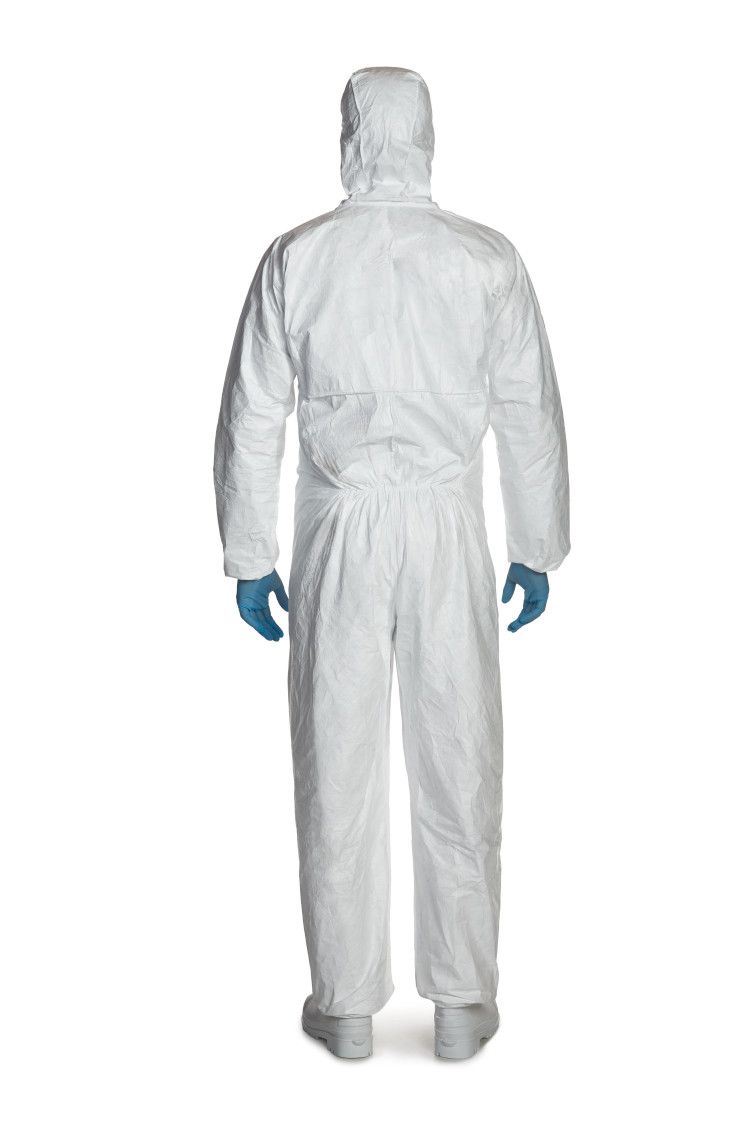
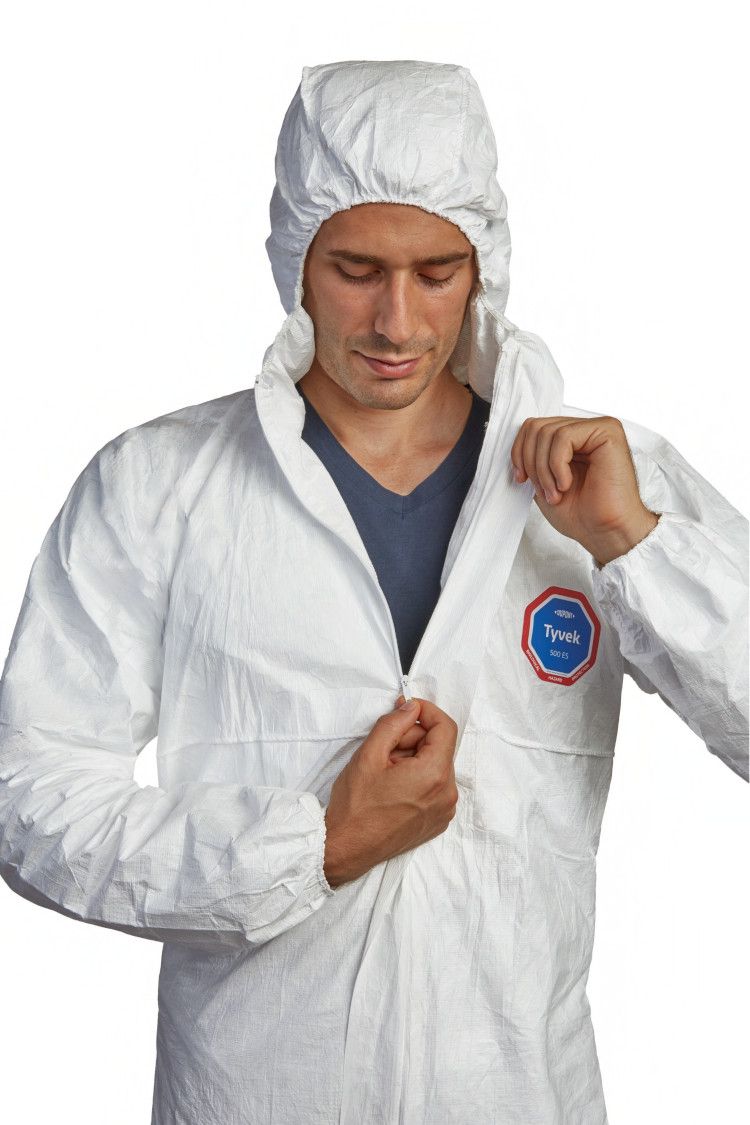
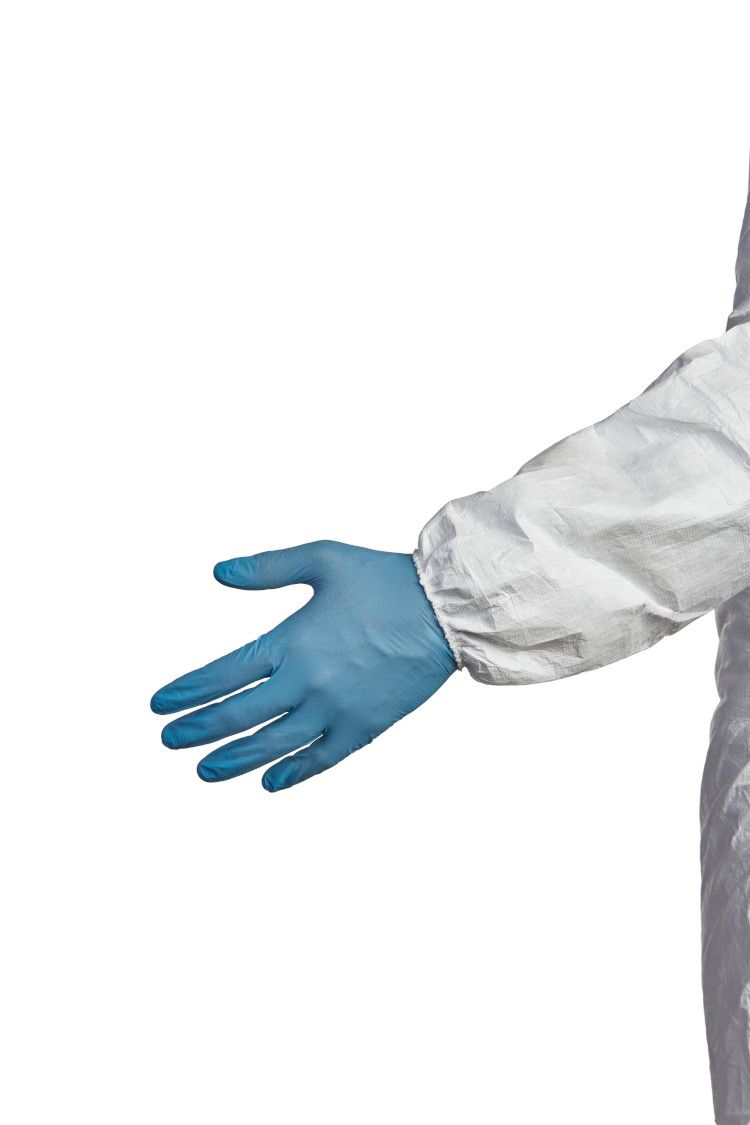
DuPont™ Tyvek® 500 ES. Hooded coverall available in white, in sizes SM to 3X. Robust yet lightweight. 3-piece hood for optimal fit to head and face when turning. Elasticated face, wrists and ankles as well as glued-in waist elastic. Ample crotch area for freedom of movement. Large, easy-to-grasp zipper puller.
Tyvek® garments are composed of flash spun high density polyethylene, providing an ideal balance of protection, durability and comfort. Tyvek® is permeable to both air and water vapour, yet repels water-based liquids and aerosols. It offers an excellent barrier against fine particles and fibres (down to 1 micron in size), is ultra-low-linting and antistatically treated on the inside. Silicone non-added.
Applications of Tyvek® 500 ES garments include routine tasks in low-risk situations, or when risk is defined, in context of BSL3 or less, and low exposure to body fluids: transport of infected patients, testing, patient triage, refugee camp preparation, people rescue.

Data relating to mechanical performance of the fabrics used in DuPont chemical protective clothing, listed for the selected garment according to the test methods and relevant European standard, if applicable. Such properties, including abrasion and flex-cracking resistance, tensile strength and puncture resistance can help in the assessment of protective performance.
| Property | Test Method | Typical Result | EN |
|---|---|---|---|
| Abrasion Resistance 7 | EN 530 Method 2 | >100 cycles | 2/6 1 |
| Basis Weight | DIN EN ISO 536 | 47.0 g/m2 | N/A |
| Colour | N/A. | white | N/A. |
| Exposure to high Temperature | N/A. | Melting point ~135 °C | N/A |
| Flex Cracking Resistance 7 | EN ISO 7854 Method B | >100000 cycles | 6/6 1 |
| Puncture Resistance | EN 863 | >5 N | 1/6 1 |
| Surface Resistance at RH 25%, inside 7 | EN 1149-1 | < 2,5 • 109 Ohm | N/A |
| Tensile Strength (MD) | DIN EN ISO 13934-1 | >30 N | 1/6 1 |
| Tensile Strength (XD) | DIN EN ISO 13934-1 | >30 N | 1/6 1 |
| Trapezoidal Tear Resistance (MD) | EN ISO 9073-4 | >10 N | 1/6 1 |
| Trapezoidal Tear Resistance (XD) | EN ISO 9073-4 | >10 N | 1/6 1 |


